Skip to content

Cytology · Complete · 18 months

Comprehensive Training 18-month program · full curriculum

Level 1 + Level 2 + Hematology and Biochemistry: 211 modules over 18 months for comprehensive expertise.

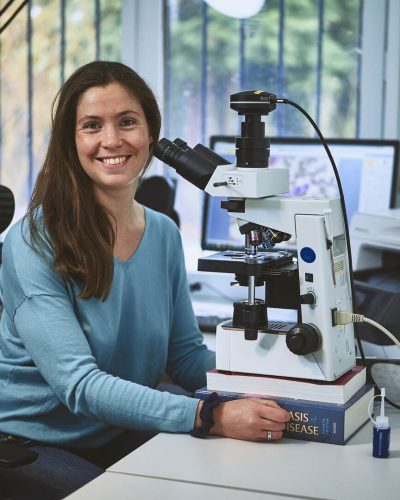
Led by Dr. Eve Ramery

At the end of the course

You will be able to…

  • Mastering the Entire Field of Veterinary Cytology (Level 1 + Level 2)
  • Validate or invalidate the results of a biological test and select the appropriate test based on the context
  • Interpreting hematological abnormalities (red blood cells, white blood cells, platelets) and biochemical abnormalities (liver, kidney)
  • Interpreting a blood smear on your own
  • Perform and interpret a complete urinalysis (specific gravity, dipstick, sediment)
  • Practice using the 20 digitized slides in the lab

How it works

100% e-learning, at your own pace.

24/7 access

Dedicated platform, private space, accessible 24/7.

Guided pace

Modules opened progressively. Full immediate access on request.

Direct support

Personalised reply by email, 7 days max.

Assessments

Challenges and quizzes to validate your skills throughout.

Detailed programme

211 modules organised in 19 chapters.

All modules include lecture videos, downloadable PDFs, supplementary resources and decision trees.

The Basics of Cytology 10 modules
  • Introductory clinical case: prostate cancer
  • Selecting and Adjusting the Microscope
  • 7 Tips for a Successful Blood Draw
  • How to Get Great Hair Color
  • Methodology for Reading the Slide
  • Identifying different cell types
  • Recognizing the criteria for malignancy
  • Caring for Your Microscope
  • Challenge
  • Quiz
Ear cytology 7 modules
  • Introduction
  • Withdrawal
  • Malassezia and Bacteria: From Normal to Pathological
  • Infectious agents
  • Neoplastic processes
  • Challenge
  • Quiz
Cytology of the Skin and Its Appendages 28 modules
  • Specifics of skin biopsy
  • Reaction to an arthropod bite
  • Reaction to a foreign body
  • Panniculitis
  • Epidermoid cyst
  • Bacterial skin infections
  • Sebaceous hyperplasia and other sebaceous tumors
  • Basal cell tumors
  • Squamous cell carcinoma
  • Circumanaloma
  • Apocrine adenocarcinoma of the anal sacs
  • Lipoma
  • Soft Tissue Sarcoma - Part 1
  • Soft Tissue Sarcoma - Part 2
  • Intermediate Challenge
  • Midterm Quiz
  • Round-cell tumors: Introduction
  • Mastocytoma
  • Plasmacytoma
  • Histiocytoma
  • Cutaneous histiocytic sarcoma
  • Cutaneous lymphoma
  • Melanoma
  • Non-neoplastic breast cytology
  • Neoplastic breast cytology
  • Clinical Cases in Breast Cytology
  • Challenge
  • Quiz
Lymph node cytology 13 modules
  • Lymph Node Cytology: When, How, and Why
  • Cell populations in the ganglion
  • Reactive ganglion
  • Adenitis
  • Extension Report
  • General Information on Lymphoma
  • Diffuse large B-cell lymphoma
  • Small-cell lymphoma
  • Characteristics of Lymphoma in Cats
  • Clonality test or PARR
  • Lymph Nodes: The Pitfalls
  • Challenge
  • Quiz
Oral Cytology 8 modules
  • Basics: Sampling, Causes, Normal Cytology
  • Inflammatory lesions of the oral cavity
  • Squamous cell carcinoma of the oral cavity
  • Oral melanoma
  • Epulis
  • Various injuries
  • Challenge
  • Quiz
Cytology of effusion fluids 13 modules
  • Specifics of aspirating a fluid collection
  • Transudate, modified transudate, exudate
  • Reactive mesothelial cells
  • Mesothelioma
  • Malignant effusion
  • Lymphomatous effusion
  • Lymphoid-predominant effusion of lymphomatous origin
  • Septic suppurative effusion
  • Non-septic suppurative effusion
  • Eosinophilic effusion
  • Modified nonspecific transudate
  • Challenge
  • Quiz
Urinalysis and vaginal smear 9 modules
  • Special features of the collection
  • Urine specific gravity
  • Upper urinary tract
  • Urinary sediment: casts
  • Urinary sediment: crystals
  • Urinary sediment: cells
  • Vaginal smear
  • Challenge
  • Quiz
Cytology of Bone Lesions 9 modules
  • Specifics of bone biopsy
  • Osteosarcoma
  • Chondrosarcoma
  • Multiple myeloma
  • Other bone neoplasms: Case 1
  • Other bone neoplasms: Case 2
  • Osteomyelitis and discospondylitis
  • Challenge
  • Quiz
Liver cytology 12 modules
  • Diagnostic value of liver cytology
  • Normal cytological appearance
  • Cytoplasmic rarefaction: lipidosis, glycogen overload, hydropic degeneration
  • Cholestasis, fibrosis, and amyloidosis
  • Inflammation, hematopoiesis, and regeneration
  • Neoplastic processes of epithelial origin
  • Neoplastic processes: round-cell tumors
  • Liver Biochemistry - Part 1
  • Liver Biochemistry - Part 2
  • Clinical cases
  • Challenge
  • Quiz
Cytology of the spleen 11 modules
  • Special features of the collection
  • Normal cytological appearance
  • Reactive hyperplasia
  • Extramedullary hematopoiesis
  • Hemochromatosis
  • Hemangiosarcoma
  • Histiocytoma
  • Mastocytoma
  • Lymphoma
  • Challenge
  • Quiz
Cytology of the Digestive Tract 6 modules
  • Normal cytological appearance
  • Inflammation
  • Neoplasms - Part 1
  • Neoplasms - Part 2
  • Challenge
  • Quiz
Urogenital cytology 14 modules
  • Kidney: normal cytological findings and indications for fine-needle aspiration
  • Renal neoplasms
  • Kidney: Non-neoplastic pathological processes
  • Adrenal tumors
  • Bladder Cytology
  • Transitional cell carcinoma
  • Prostate Cytology
  • Prostate Challenge
  • Vaginal smear
  • Non-neoplastic breast cytology
  • Neoplastic breast cytology
  • Clinical Cases in Breast Cytology
  • Challenge
  • Quiz
Joint fluid cytology 10 modules
  • Special considerations for joint aspiration
  • Evaluation Methodology
  • Normal synovial fluid vs. degenerative joint disease
  • Septic suppurative arthritis
  • Non-septic suppurative arthritis
  • Hemarthrosis
  • Joint Tumors - Part 1
  • Joint Tumors - Part 2
  • Challenge
  • Quiz
Bronchoalveolar lavage cytology 11 modules
  • Special features of the collection
  • Contaminants
  • Recognition of different cell types
  • Mucus and spirals
  • Metaplasia, dysplasia, and hemosiderosis
  • Suppurative inflammation 1
  • Suppurative inflammation 2: Bordetella
  • Suppurative inflammation 3: chronic bronchitis and neoplasm
  • Eosinophilic inflammation
  • Challenge
  • Quiz
Cerebrospinal fluid cytology 10 modules
  • Special features of the collection
  • Method for evaluating cerebrospinal fluid
  • Neubauer chamber: cell counts
  • Neutrophilic pleocytosis - Part 1
  • Neutrophilic pleocytosis - Part 2
  • Neutrophilic pleocytosis - Part 3
  • Lymphocytic pleocytosis
  • Other pleocytosis
  • Challenge
  • Quiz
Hematology 24 modules
  • Microhematocrit
  • Performing a Pap smear
  • Methodology for interpreting Pap smears
  • Morphology of red blood cells
  • Normal leukocyte morphology
  • Morphological abnormalities of neutrophils
  • Morphological abnormalities in monocytes, lymphocytes, and blasts
  • Brochures - Part 1
  • Brochures - Part 2
  • A stepwise approach to regenerative anemia
  • Agglutination test
  • A Stepwise Approach to Anemia - Part 2
  • A stepwise approach to polycythemia
  • A stepwise approach to leukocytosis
  • A stepwise approach to leukopenia
  • Preparation for a myelogram
  • Case Study No. 1
  • Case Study No. 2
  • Case Study No. 3
  • Case Study No. 4
  • Case Study No. 5
  • Case Study No. 6
  • Case Study No. 7
  • Quiz
Liver examination 5 modules
  • Liver Biochemistry - Part 1
  • Liver Biochemistry - Part 2
  • Diagnostic value of liver cytology
  • Clinical cases
  • Quiz
Kidney examination 7 modules
  • Renal function and dysfunction
  • A stepwise approach to azotemia
  • A stepwise approach to proteinuria
  • Kidney failure
  • SDMA
  • Clinical Case Challenge
  • Quiz
Urinalysis 7 modules
  • Processing of urine samples
  • Measurement of urinary density
  • Uro-Tigette
  • Sediment: cylinders
  • Sediment: crystals
  • Sediment: white blood cells
  • Sediment: cells
85 h lecture · 23 h of practical work · 20 slides digitised in the lab room

Who it's for

Target audience

Veterinarians interested in incorporating or improving the use of cytology, hematology, and biochemistry in their daily practice.

Prerequisites

Before starting

To hold a Doctor of Veterinary Medicine degree.

Led by

Dr. Eve Ramery.

Dr. Eve Ramery is a veterinary specialist in clinical pathology. After graduating from the Faculty of Veterinary Medicine in Liège in 2004, she earned diplomas in clinical pathology from both the European College (Dip. ECVCP) and the American College (Dip. ACVP) in 2014—a rare dual accreditation that underscores VETCYT’s high educational standards. After a career […]

Go further

You might also like.

Essentials

The Essentials — Hematology and Biochemistry

Hematology, liver and kidney biochemistry, urinalysis. For a comprehensive clinical laboratory.

€850 excl. tax

Discover →
Expertise

Level 2 — Expertise

Osteoarticular lesions, liver, spleen, digestive tract, BAL, CSF...

€1,500 excl. tax

Discover →
Fundamentals

Level 1 — The Basics

Skin, ear, lymph nodes, urine, effusion fluids...

€1,500 excl. tax

Discover →

Take action

Ready to integrate this practice into your daily clinical work?

Join the vets who have already taken the leap with VETCYT.

Book my spot

Registration from 15 February 2026 to 31 March 2026 · Start 15 days after registration

Page updated on 30/01/2026 VETCYT, training organisation No. 84 69 17848 69 Adaptation possible for people with disabilities: please contact us